Buyer • September 25, 2026

Before You Tour Homes: Start With the Right Financing

Touring homes is one of the most exciting parts of buying a home. But before we start scheduling showings and imagining where the furniture will go, there’s an important first step: getting your financing in place. 🏡

Why Preapproval Matters

A mortgage preapproval gives you a clearer understanding of what you may be able to afford based on your financial situation and the loan options available to you.

It can also help you:

  • Set a realistic price range for your home search.
  • Better understand your estimated monthly payment and potential closing costs.
  • Identify financing questions early in the process.
  • Be prepared to submit an offer when the right home comes along.

In a competitive market, being prepared can make a meaningful difference. When you find a home you love, you don’t want to be starting the financing conversation from scratch.

The Right Loan Officer Is Part of Your Home-Buying Team

Choosing a lender isn’t just about getting a preapproval letter. A knowledgeable loan officer can walk you through different financing options, explain the numbers, answer questions, and help you understand what to expect throughout the mortgage process.

If you don’t already have a lender you trust, I can connect you with a trusted loan officer who can help you explore your options and take the next step toward preapproval.

Then the Home Search Can Begin

Once you have a better understanding of your financing and price range, we can approach your home search with more confidence and focus.

Instead of simply looking at homes you like, we can concentrate on properties that align with your goals, budget, and priorities—and you’ll be better prepared to act when the right opportunity comes along.

Thinking about buying a home? Send me a message. I’d be happy to help you put the right team together and guide you through the process from financing and home search to offer and closing.

Seller • September 24, 2026

Finding the Right Real Estate Agent to Sell Your Home

When it comes to selling your home, choosing the right real estate agent can make all the difference. Your home is likely one of your most valuable assets, so you want someone by your side who understands the market, communicates clearly, and knows how to position your property for a successful sale.

The Right Agent Is More Than a Salesperson

Selling a home involves much more than putting a sign in the yard and uploading photos online. A good agent helps you navigate every stage of the process, from preparing and pricing your property to marketing, negotiating offers, managing inspections, and getting you successfully to closing.

Just as important, you should feel comfortable with the person representing you.

Many sellers know fairly quickly when they’ve found the right fit. There’s a sense of confidence that comes from working with someone who listens to your goals, answers your questions, and provides straightforward guidance without pressure.

What Should You Look for in a Listing Agent?

Before choosing an agent, consider the things that will matter most throughout your sale:

  • Local market knowledge: Your agent should understand what’s happening in your specific market and how it affects your home’s value and selling strategy.
  • A strong marketing plan: Great presentation matters. Professional photography, compelling property descriptions, digital marketing, and strategic exposure can help your home stand out.
  • Pricing expertise: The right asking price should reflect current market conditions, comparable sales, your home’s unique features, and your goals.
  • Communication: You shouldn’t have to wonder what’s happening with your sale. Your agent should keep you informed and be available when questions arise.
  • Negotiation skills: Receiving an offer is only part of the process. An experienced agent helps you evaluate the entire offer—including price, contingencies, financing, timelines, and other terms.
  • A personal connection: Experience matters, but so does trust. You should feel confident that your agent understands your priorities and is committed to representing your interests.

Your Selling Experience Should Feel Personal

No two homeowners—or homes—are exactly alike. Maybe you’re selling so you can purchase your next home. Perhaps you’re relocating, downsizing, handling an inherited property, or simply ready for something new.

Whatever your reason for moving, your selling strategy should be built around your property, your timeline, and your goals rather than a one-size-fits-all approach.

That’s the kind of experience I strive to provide for every seller I work with: knowledgeable guidance, thoughtful communication, strategic marketing, and personal attention from our first conversation through closing day.

Thinking About Selling?

You don’t have to be ready to list your home tomorrow to start the conversation. If you’re considering selling, we can talk about your home’s potential value, current market conditions, what you may want to do before listing, and what the selling process could look like for you.

Finding the right agent makes all the difference, and I’d love the opportunity to see if I’m the right agent for you.

Ready to make your move? Let’s chat.

Seller • September 23, 2026

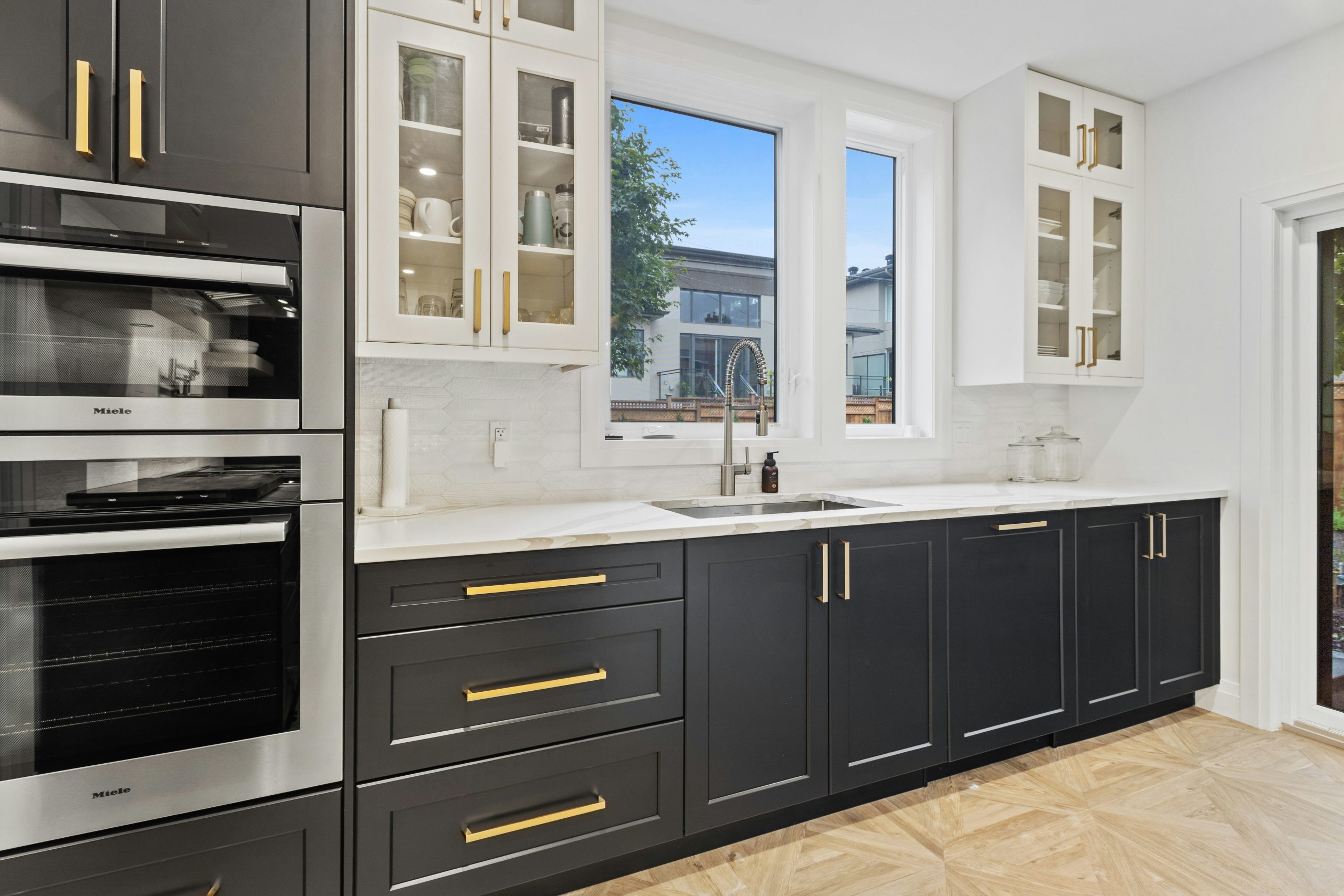
Budget-Friendly Kitchen Updates That Can Appeal to Buyers

When preparing your home for sale, it’s easy to assume the kitchen needs a major renovation to impress potential buyers. The good news? You don’t always need to invest in a full remodel to make a meaningful difference.

A few thoughtful, budget-friendly updates can help your kitchen feel brighter, cleaner, and more inviting—making it easier for buyers to picture themselves cooking, gathering, and living there.

1. Start With a Deep Clean

Before replacing anything, give the kitchen a thorough cleaning. Pay special attention to appliances, cabinet fronts, countertops, grout, backsplashes, sinks, faucets, and flooring.

Buyers tend to notice cleanliness immediately. A sparkling kitchen can make even older finishes feel better maintained and more appealing.

2. Clear the Countertops

Counter space is valuable, and clutter can make a kitchen feel smaller than it actually is.

Put away extra appliances, paperwork, dish racks, and everyday items. Leave just a few carefully chosen pieces, such as a bowl of fresh fruit, a small plant, or an attractive cutting board.

The goal is to help buyers notice the workspace rather than your belongings.

3. Update Cabinet Hardware

Replacing outdated knobs and pulls is one of the simplest ways to give cabinetry a refreshed look without replacing the cabinets themselves.

Choose a clean, cohesive finish that complements the existing kitchen. This relatively small detail can help the entire space feel more current.

4. Refresh the Lighting

Good lighting can completely change the way a kitchen feels.

Replace burned-out bulbs, make sure the color temperature is consistent, and consider updating an outdated light fixture. Under-cabinet lighting can also add warmth while highlighting countertops and workspaces.

Most importantly, take advantage of natural light. Open blinds and curtains before showings whenever possible.

5. Consider a Fresh Coat of Paint

If the kitchen walls are dark, heavily personalized, or showing wear, fresh paint can provide an immediate lift.

A light, neutral color can help the room feel clean and bright while giving buyers an easier backdrop for imagining their own furniture, décor, and style.

6. Address the Small Repairs

A loose cabinet handle, dripping faucet, cracked outlet cover, or missing piece of trim may seem minor, but buyers often notice these details.

Taking care of small repairs before listing helps communicate that the home has been maintained and prevents minor issues from becoming unnecessary distractions.

7. Style the Kitchen With Restraint

When you’re preparing a kitchen for photos and showings, less is usually more.

A fresh hand towel, simple greenery, attractive soap dispenser, or small vase can add warmth without creating clutter. You want the kitchen to feel welcoming but still leave enough visual space for buyers to imagine making it their own.

You May Not Need a Major Remodel

Preparing a kitchen for sale isn’t necessarily about creating a brand-new space. It’s about presenting the kitchen you already have in its best possible light.

Before spending thousands of dollars on renovations, consider which improvements are most likely to enhance your home’s presentation for your particular market and price point.

Thinking about selling? A good first step is to walk through your home with a real estate professional before making major improvements. A pre-listing consultation can help you prioritize where to spend, where to save, and which projects may not be necessary at all.

Sometimes, a few strategic updates are all it takes to help buyers see the potential—and feel at home. 🏡

Buyer • Seller • September 18, 2026

Renovate to Age in Place : Smart Home Updates for Long-Term Comfort

A few thoughtful updates can help your home continue working for you as your needs change over time. 🏡 Planning for accessibility, safety, and ease of use now can make it easier to stay comfortable in the home and community you already love for years to come.

The good news is that aging in place doesn’t necessarily require a major renovation. Some of the most useful improvements are relatively simple and can benefit homeowners of all ages.

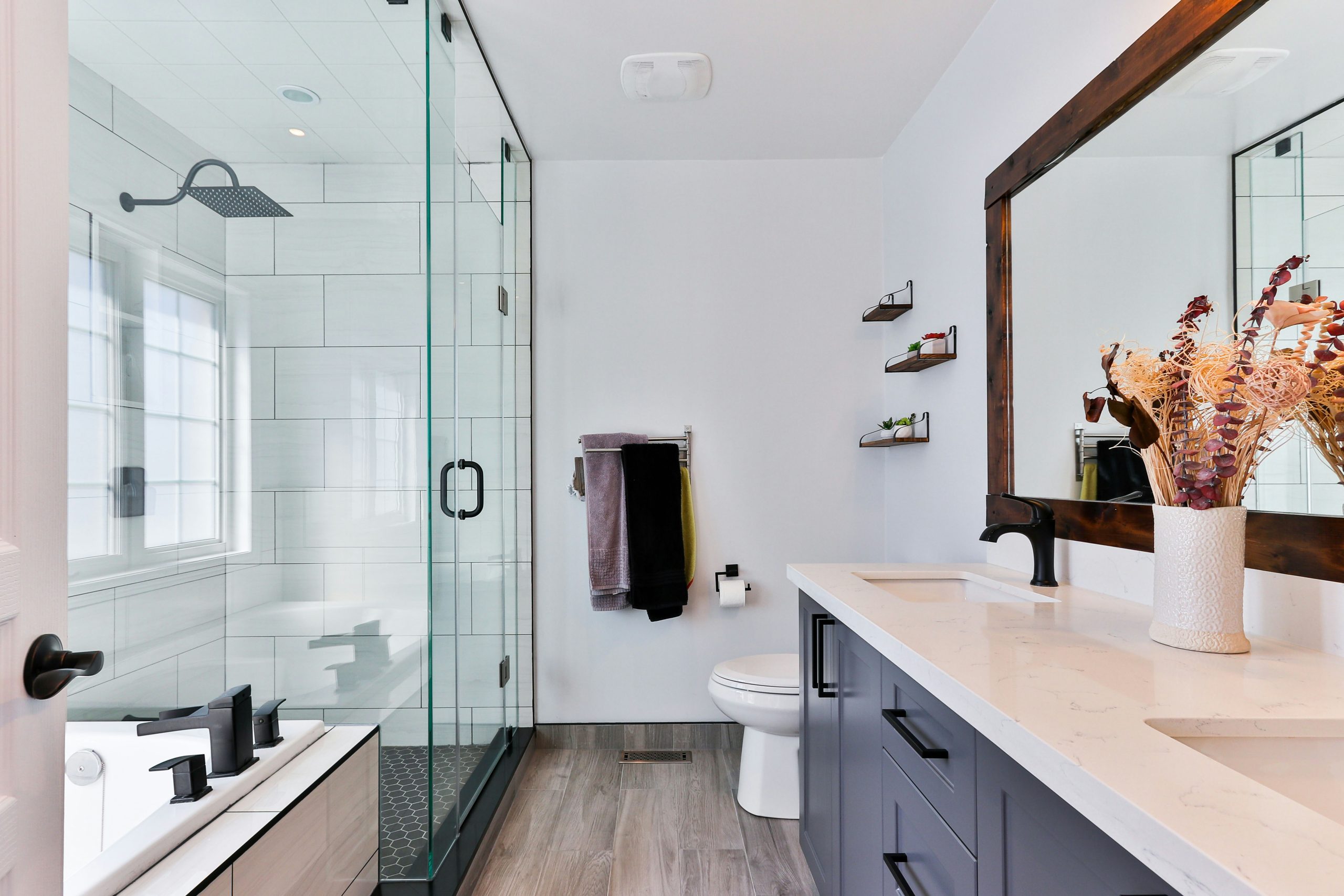
Create a Curbless Shower

Replacing a traditional shower or tub with a curbless or low-threshold shower eliminates a step-over barrier and creates easier access. It can also give a bathroom a clean, contemporary look while making the space more functional for the future.

When renovating, consider pairing the shower with a handheld showerhead, easy-to-reach controls, and a built-in or fold-down seat for additional convenience.

Add More Lighting

Good lighting becomes increasingly important throughout a home. Adding fixtures in hallways, stairways, bathrooms, kitchens, and entry areas can improve visibility and make everyday tasks easier.

Consider adding under-cabinet lighting in the kitchen, motion-activated night lighting, and switches near room entrances. Improving natural light where possible can also make spaces brighter and more inviting.

Choose Slip-Resistant Flooring

Bathrooms, kitchens, entryways, and other areas exposed to moisture deserve particular attention when choosing flooring.

If you’re replacing tile, look for slip-resistant options and avoid highly polished surfaces in areas where water is common. Outside the bathroom, reducing abrupt flooring transitions and securing loose rugs can help create clearer, easier-to-navigate pathways.

Install Grab Bars

Grab bars can provide additional stability in showers, beside tubs, and near toilets. They also no longer have to look institutional—many manufacturers offer attractive designs and finishes that coordinate with faucets, towel bars, and other bathroom hardware.

Even if you don’t need grab bars today, a bathroom renovation can be a good opportunity to add reinforcement behind the walls so bars can be installed securely later.

Think Beyond the Bathroom

Aging-in-place improvements can extend throughout the home. Lever-style door handles may be easier to operate than traditional knobs, while pull-out kitchen shelves can make stored items more accessible. Wider, unobstructed pathways, easy-to-reach storage, and a main-level bedroom and full bathroom can also improve a home’s long-term usability.

Renovate With the Future in Mind

Aging in place is ultimately about creating a home that remains comfortable, functional, and enjoyable through different stages of life. Many accessibility-minded improvements can also make everyday living easier right now, regardless of age.

If you’re considering renovations, it can be helpful to think beyond today’s needs. Thoughtful improvements made now may give you greater flexibility in how you use and enjoy your home in the years ahead.

Thinking about renovating or wondering which improvements could make sense for your home? Reach out anytime. I’m happy to help you think through your plans from a real estate perspective.

Buyer • September 15, 2026

Finding a Home You Love – And a Payment

Finding a home you love is exciting. The right neighborhood, the perfect kitchen, enough space to grow—it’s easy to focus on everything you want in a home. But there’s another part of the homebuying decision that matters just as much: making sure the cost of owning that home feels comfortable long after moving day.

Your Home Search Should Start With Your Comfort Zone

Before scrolling through listings or scheduling showings, it’s helpful to have a clear understanding of what you’re comfortable spending each month.

And that means looking beyond the purchase price.

Your monthly housing expenses may include your mortgage payment, property taxes, homeowners insurance, HOA fees, and other costs associated with owning the property. Understanding the bigger financial picture can help you shop with confidence and avoid falling in love with a home that stretches your budget further than you’d like.

What You Qualify for Isn’t Necessarily What You Should Spend

A lender can help determine how much you may qualify to borrow, but your personal comfort level matters, too.

You may have other financial priorities—travel, saving for retirement, paying down debt, starting a family, or simply wanting extra breathing room each month. A home should complement those goals, not make them harder to achieve.

That’s why I encourage buyers to think about the monthly payment that feels comfortable first and use that information to help shape the home search.

Build the Right Team Early

You don’t have to figure everything out on your own.

As your real estate agent, I can help you focus your search around your priorities and budget so you’re spending your time looking at homes that make sense for you. I can also connect you with a trusted loan officer who can walk you through financing options, estimated payments, closing costs, and other important numbers before you make an offer.

Having that information early can make the entire buying process feel much more manageable.

Find a Home That Feels Right in More Ways Than One

The goal isn’t simply to find a home you love when you walk through the front door. It’s to find one you’ll still feel good about owning months and years after you receive the keys.

If you’re thinking about buying a home, send me a message. We can talk about what you’re looking for, what matters most to you, and build a home search around what works for your life and your budget. 🏡

Buyer • September 11, 2026

How to Make Your Home Search Work Smarter

Buying a home isn’t just about touring houses until one magically feels right. The buyers who tend to have the smoothest experience come prepared, know what matters most to them, and communicate openly with their real estate agent throughout the process.

Come Prepared

Before you start seriously touring homes, get the basics in place. Know your approximate budget, have your financing or proof of funds ready, and understand what you’re comfortable spending each month.

Preparation doesn’t mean you need to have every decision made before walking through the first front door. It simply means you’re ready to act when the right opportunity comes along.

In a competitive market, that preparation can make a meaningful difference.

Know Your Priorities

The perfect house rarely checks every single box, which is why it helps to separate your must-haves from your nice-to-haves.

Maybe location is non-negotiable, but the kitchen can be updated later. Perhaps you need three bedrooms, but you’re flexible about having a formal dining room. Or maybe a large backyard matters much more to you than additional square footage inside.

Your priorities can also change once you start seeing homes in person—and that’s completely normal.

Touring homes is part shopping and part research. Each property teaches you something about what you actually want.

Tell Your Agent What You Really Think

This is one of the most helpful things you can do during your home search.

Loved the neighborhood but hated the floor plan? Say it.

Beautiful house, but something about it didn’t feel right? Say that too.

Would you gladly sacrifice a fourth bedroom for a larger kitchen after seeing one in person? That’s valuable information.

Your agent isn’t expecting you to love every property. In fact, knowing why you don’t like a home can be just as useful as knowing why you do.

Detailed feedback helps your agent refine the search, recognize patterns, and focus future showings on homes that are more likely to fit you.

You Don’t Have to Protect Your Agent’s Feelings

Sometimes buyers hesitate to criticize a property because their agent found it, recommended it, or seemed excited about it.

Don’t worry about that.

A good buyer’s agent would much rather hear, “Absolutely not—the layout doesn’t work for us,” than receive a polite “It’s nice” that doesn’t reveal anything useful.

Your feedback isn’t criticism of your agent. It’s information your agent can use to represent you better.

The Gold Star Buyer Formula ⭐

Be financially prepared. Know your priorities. Ask questions. Pay attention to what you’re learning during each showing. And most importantly, communicate honestly with your agent.

You don’t need to be an expert in real estate—that’s what your agent is there for.

You just need to be an expert on you.

And if you walk out of a showing and immediately tell your agent what worked, what didn’t, and why?

No notes. Gold star secured. ⭐🏡

Seller • September 9, 2026

A Successful Home Sale Starts With a Smart Strategy 🏡

Selling a home is about more than putting a “For Sale” sign in the yard and waiting for buyers to show up. A successful sale starts with a thoughtful strategy from day one.

From preparing your home for the market to determining the right price and creating a strong first impression, the decisions you make before your home is listed can have a major impact on the selling experience.

Preparation Makes a Difference

Before buyers ever walk through the door, your home should be positioned to make the best possible impression. That may mean decluttering, making minor repairs, refreshing certain spaces, improving curb appeal, or professionally staging the home.

The goal isn’t necessarily to renovate everything. It’s to identify the improvements that can make your property more appealing to today’s buyers without spending money where it may not provide a meaningful return.

Pricing Is Part of the Strategy

Pricing a home correctly from the beginning is one of the most important parts of a successful sale.

Price too high, and you may discourage qualified buyers or spend unnecessary time on the market. Price strategically, based on current market conditions, comparable properties, competition, and your home’s unique features, and you can create stronger buyer interest from the start.

Marketing Should Tell Your Home’s Story

Great marketing goes beyond listing photos. Professional presentation, compelling property descriptions, digital exposure, social media, and targeted promotion can help your home stand out from competing listings.

The objective is simple: get your property in front of the right buyers and give them a reason to take the next step.

Momentum Matters

The first days and weeks after a home hits the market can be especially important. Strong preparation, strategic pricing, and effective marketing can work together to generate interest and encourage serious buyers to act.

And once offers arrive, having an experienced real estate professional guiding negotiations, timelines, inspections, and the details leading up to closing can make the process much easier to navigate.

Thinking About Selling?

You don’t have to wait until you’re ready to put your home on the market to start planning.

If selling is on your radar, send me a message. We can talk about your home, your goals, the current market, and the steps that could help position you for a successful sale.

A smart plan starts before the sign goes in the yard. 🏡

Buyer • September 4, 2026

Thinking About Buying a Home? Start Here 🏡

Buying a home is exciting, but it can also feel like there’s a lot to figure out. The good news? A little preparation before you start looking can make the whole experience feel much smoother.

One of the best places to start is by getting preapproved for a home loan.

Why Get Preapproved?

Getting preapproved gives you a better idea of what you may be able to afford before you fall in love with a home. It can help you set a comfortable price range, understand what your monthly payment might look like, and focus your search on homes that make sense for you.

Plus, when the right home comes along, you’ll already have an important step checked off your list!

Shop with More Confidence

There’s nothing worse than finding a home you love and then feeling like you have to scramble to get everything together.

Having your preapproval ready can help you feel more prepared to make an offer when you find “the one.” It can also show sellers that you’ve already taken steps toward securing financing.

Not Sure Where to Begin? That’s Okay!

You don’t have to know all the answers before reaching out. That’s what your real estate and lending professionals are there for.

If buying a home is somewhere on your horizon, send me a message. I can connect you with a trusted loan officer who can answer your financing questions, and I’ll be here to help you navigate the home search from there.

A little preparation now can make for much smoother sailing when you’re ready to find your next home. ⛵🏡

Open House • Seller • September 3, 2026

Preparing for an Open House

 The Little Details Matter 🏡

When you’re getting your home ready for an open house, it’s easy to focus on the big things—cleaning, decluttering, and making sure every room looks its best. But often, it’s the small details that shape a buyer’s overall impression of your home.

Buyers notice more than you might think. A loose doorknob, burned-out lightbulb, squeaky door, dripping faucet, or scuffed wall may seem minor, but several little maintenance issues can leave buyers wondering what else might need attention.

Before your open house, take a quick walk through your home with fresh eyes.

Small Fixes That Can Make a Big Difference

Consider taking care of things like:

  • Replacing burned-out lightbulbs and making sure lighting is consistent
  • Touching up noticeable scuffs, chips, and marks on walls
  • Tightening loose handles, knobs, and cabinet hardware
  • Fixing dripping faucets and running toilets
  • Cleaning windows, mirrors, and glass doors
  • Making sure doors and cabinets open and close smoothly
  • Replacing worn or damaged switch plates
  • Tidying the entryway and improving curb appeal
  • Removing excess clutter from countertops and closets
  • Taking care of lingering odors and giving the home a fresh, clean feel

None of these projects needs to be dramatic. The goal is to help your home feel clean, maintained, and move-in ready.

Think Like a Buyer

Before the open house, walk through your property as though you’re seeing it for the first time. What catches your eye when you enter? Does the home feel bright and inviting? Are there small distractions that could pull attention away from its best features?

A thoughtfully prepared home allows buyers to focus on what really matters: imagining themselves living there.

First Impressions Start Before Buyers Walk Through the Door

Your home’s exterior sets expectations, so don’t overlook the approach to the property. A swept walkway, trimmed landscaping, clean front door, and welcoming entrance can create a positive impression before buyers ever step inside.

Preparing for an open house isn’t about making your home perfect. It’s about presenting it in a way that communicates that it has been well cared for and thoughtfully maintained.

Thinking about selling? Send me a message, and let’s get your home ready to shine! 🏡✨

Buyer • September 2, 2026

Buying a Home: What to Expect From Offer to Closing

Buying a home is an exciting milestone, but it’s also a process with several important steps along the way. From finding the right property to getting the keys at closing, knowing what to expect can make the experience feel much more manageable.

While every real estate transaction is different, many of the challenges that arise during the home-buying process can be anticipated and addressed with the right preparation and guidance.

Making a Strong Offer

Once you’ve found a home you love, the next step is putting together an offer. There’s more to consider than simply choosing a price. Your financing, contingencies, closing timeline, earnest money deposit, and current market conditions can all play a role in how your offer is structured.

A knowledgeable real estate professional can help you understand your options and develop an offer strategy that reflects both the property and your goals.

Navigating Inspections and Due Diligence

After an offer is accepted, the transaction moves into the due diligence stage. Depending on the property and the terms of your purchase agreement, this may include inspections, reviewing disclosures and reports, evaluating potential repairs, and investigating other details that could affect your decision to move forward.

This is an important time to ask questions and make sure you understand the information being provided.

Staying on Track With Financing

If you’re financing your purchase, your lender will continue working on your loan after your offer is accepted. This typically includes verifying financial information, ordering an appraisal, completing underwriting, and preparing the loan for final approval.

Staying responsive to requests from your lender and avoiding major financial changes during this period can help keep the transaction moving toward closing.

Preparing for Closing

As closing approaches, there are still a few important details to complete. You’ll review final documents, coordinate funds, complete a final walkthrough of the property, and make sure the necessary paperwork is ready for signing.

Once the transaction is complete, it’s time for one of the best parts of the home-buying journey—getting the keys to your new home.

You Don’t Have to Navigate the Process Alone

Buying a home involves a lot of moving pieces, and unexpected issues can sometimes arise. Having an experienced real estate professional in your corner means you have someone helping you anticipate deadlines, understand your options, communicate with the parties involved, and work through challenges from offer to closing.

If you’re thinking about buying a home and you’re ready to start your search, send me a message. I’d be happy to help you navigate the process and take the next step toward finding a home that’s right for you.